
Sacsayhuamán stones and the three terraces
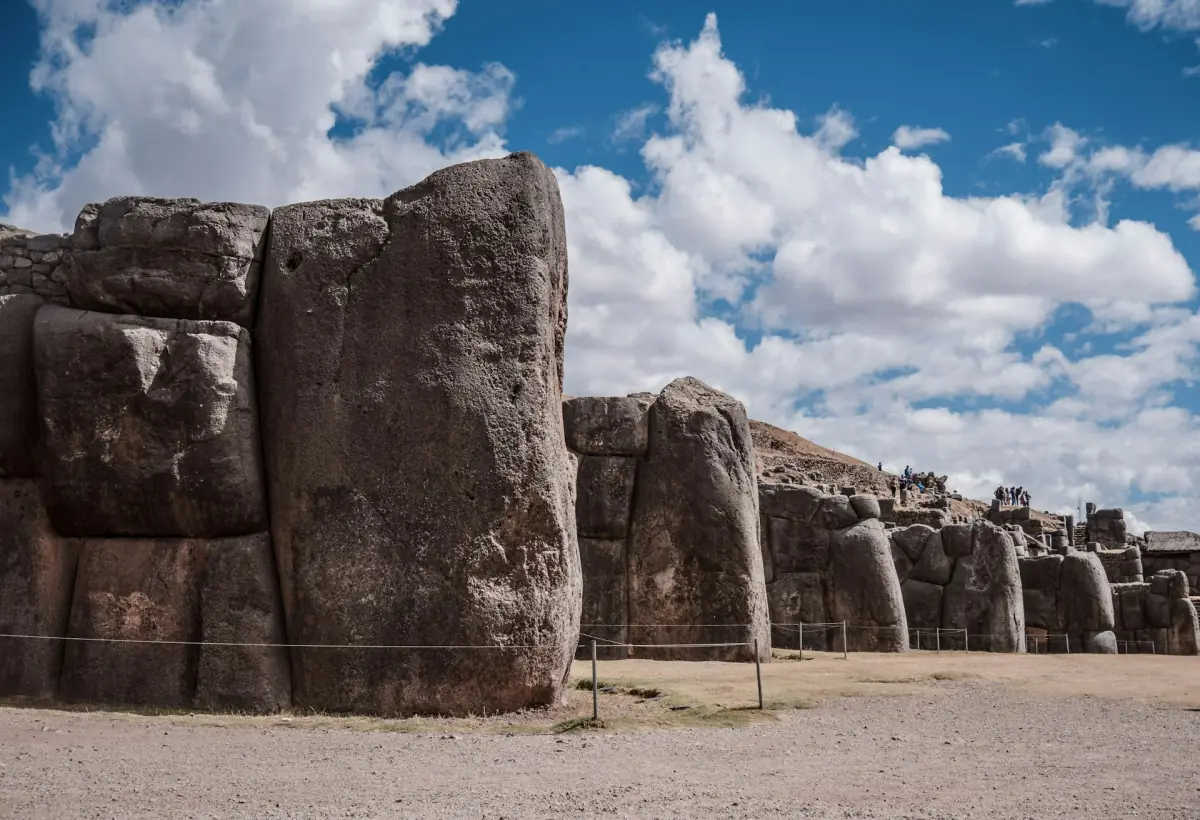
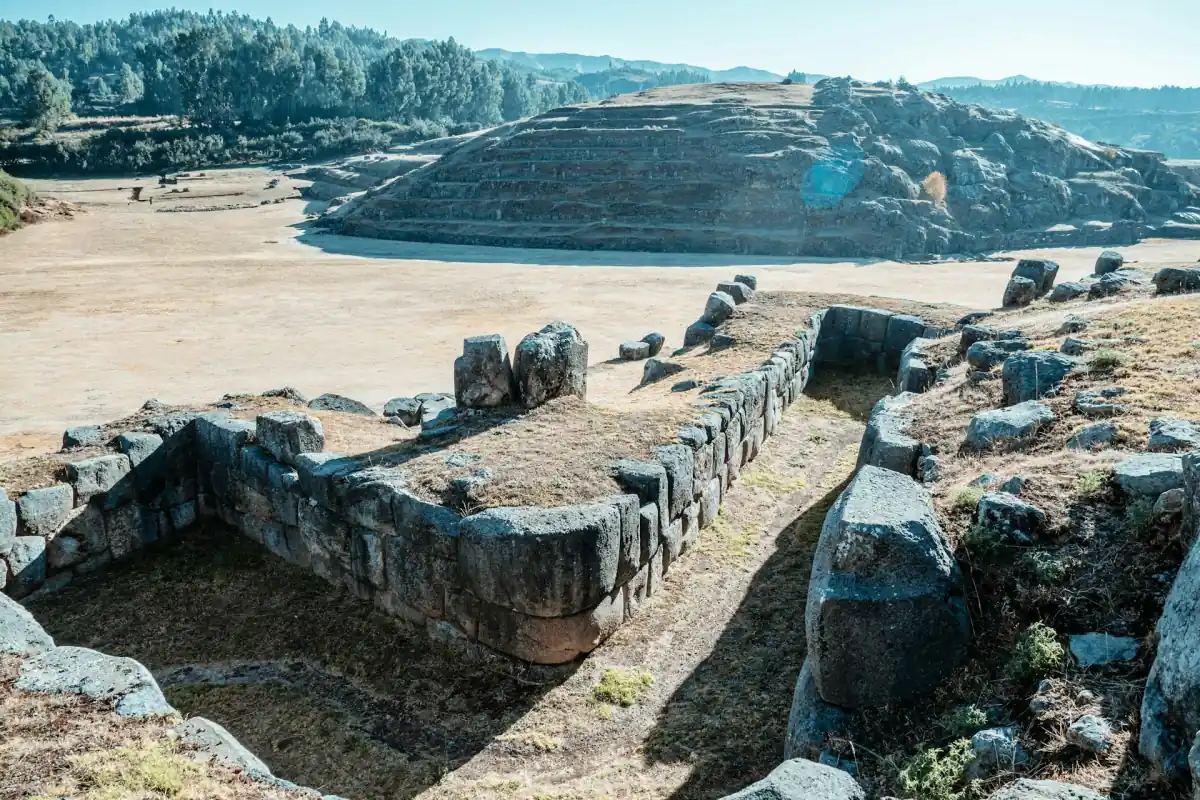
The Sacsayhuamán stones are the most visible part of a much broader Inca complex. Three superimposed terraces carry zigzag walls made from closely fitted large blocks. Looking along the corners helps you appreciate the changing outline; looking at individual joints draws attention to the relationship between neighbouring stones. Both views are useful before reducing the whole place to a single monumental photograph.
The surviving walls do not provide a complete picture of the original buildings. Stones were reused for churches and houses during the colonial period. What you see today therefore needs to be read as a surviving archaeological landscape, with missing elements as well as substantial remains. The variant spelling Saqsaywaman refers to this same site above Cusco.
Our picks: guided visits
These guided visits combine transport with a guide; one also offers help buying tickets.
Hand-picked tours, booked through GetYourGuide. Prices are indicative starting prices in US dollars (as of November 2026). Tap a tour for live availability and the current price in your currency.
Qoricancha and archaeological sites with a guide
- Round trip tourist transportation
- Professional guide in English and Spanish
- Guided visit to 4 archaeological sites
Qoricancha admission and the Cusco Tourist Ticket cost extra; the tour offers help with buying tickets.
Check availability →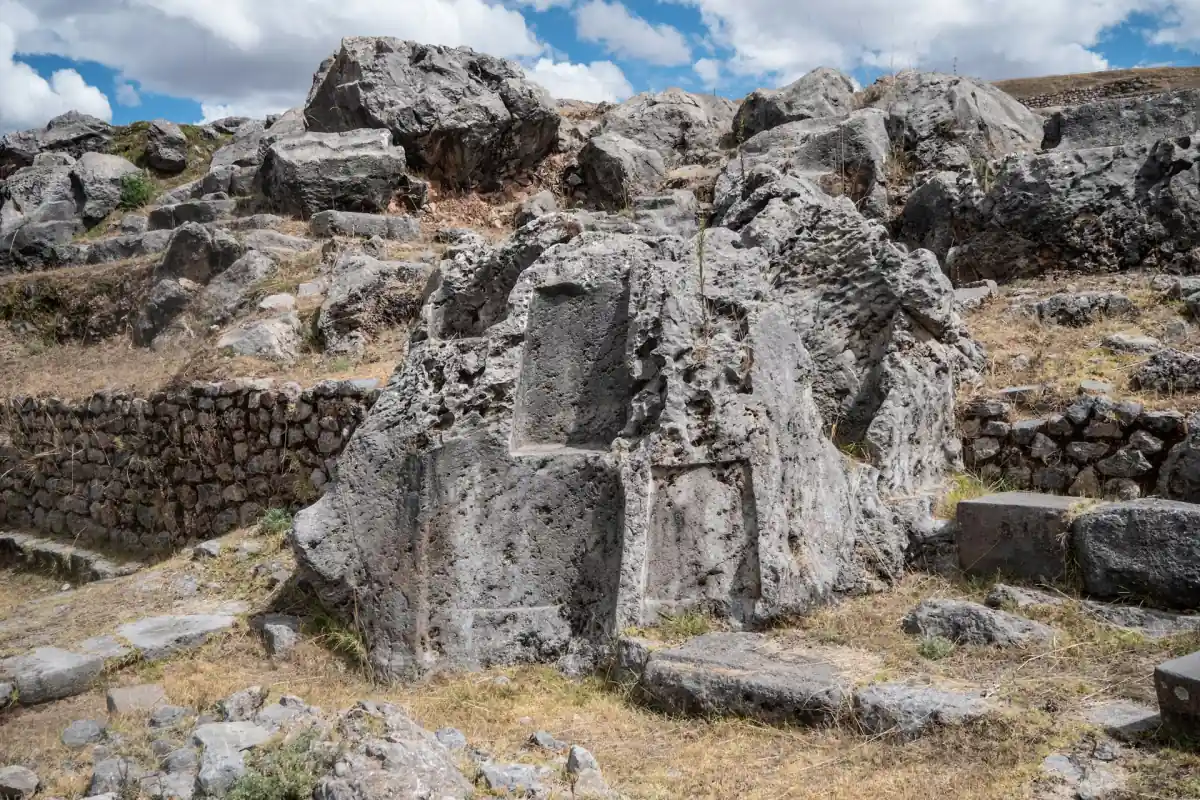
Cusco sites from Plaza Mayor
- Tourist transport
- Professional guide
The tourist ticket and Qoricancha admission cost extra.
Check availability →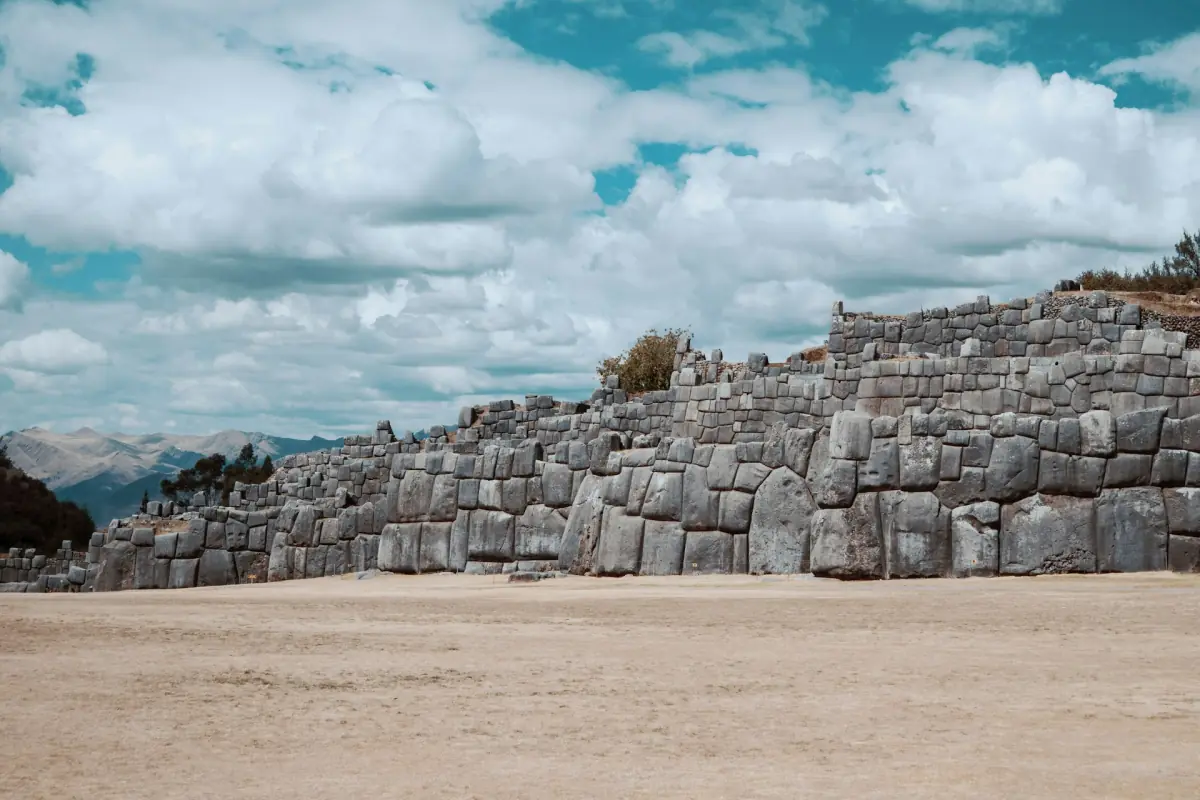
Cusco archaeological sites with a guide
- Tourist transport
- Bilingual tour guide
The tourist ticket and Qoricancha admission cost extra.
Check availability →Guided visits to the Inca ruins
Visit Sacsayhuamán with a guide and tourist transport. The ruin rounds discussed here charge the Boleto and Qorikancha admission separately.
Inca rulers and a place with several functions
Construction is associated with Pachakuteq, followed by work under Topa Inka Yupanqui, Huayna Qhapaq and Huáscar. This sequence offers a more useful introduction than an exact building date: the complex developed under successive rulers. Avoid treating every surviving wall as evidence of a single construction campaign or a single purpose.
The familiar description “fortress” captures only part of that purpose. Cult places, storage areas, paths and water installations also belonged to the complex. Military history matters here, but it sits alongside ceremonial and practical uses. A visit focused only on defence can miss the connections between the open spaces, built terraces and wider landscape.
For comparison, the neighbouring ruins bring other forms of architecture into the same outing. Q’enqo has structures worked into limestone, with some ritual interpretations remaining tentative. Tambomachay is associated with fountains, channels and ceremonial water architecture. These differences make the combined circuit more interesting than a sequence of similar stone walls.
The fighting of 1536 and the limits of the story
Sacsayhuamán became important during Manco Inca’s uprising and the encirclement of the Spanish garrison in Cusco in 1536. Inca forces occupied the site, and Juan Pizarro died in connection with the fighting. Indigenous auxiliary forces played a decisive role on the Spanish side, so the conflict involved alliances across the opposing sides.
Accounts differ over the sequence of events within May. Keep the year and wider context in mind rather than building your visit around a precise daily chronology. Cahuide belongs to the transmitted story of the final defence; the name and identity should be approached as historical tradition rather than a settled personal biography. The remains themselves do not resolve those disagreements.
Visiting the ruins with a guide
A guided circuit links explanations on site with transport between stops. The round departing from San Andres 218, office 104, includes return tourist transport, an English and Spanish guide, Qoricancha and the four archaeological sites Sacsayhuamán, Q’enqo, Puka Pukara and Tambomachay. It also includes help buying tickets; the entrance costs remain yours to pay. Bring cash for that purchase.
The departure from Plaza Mayor de Cuzco includes tourist transport and a professional guide, with both the Boleto and Qoricancha entrance extra. Another option combines tourist transport with a bilingual guide and also excludes those admissions. Choose between these ordinary guided ruin visits by their meeting arrangements and included services. They are not presented as specialist archaeology or architecture courses.
Use the ticket guide to choose the pass separately from your transport. For a broader comparison of city circuits, see Sacsayhuamán tours; for a separate guide and vehicle, see private visits. The Boleto itself supplies neither a guide nor transport.
The cultural authority’s notice of 10 November 2026 suspends tourist visits on 15 November 2026. That notice ends on that date; check current access when arranging your visit. During any visit, do not climb, paint or sit on the Inca walls. Study their joints from the visitor areas rather than using the masonry as a viewpoint.
Questions about the walls and history
Was Sacsayhuamán only a fortress?
Its functions also included cult places, storage, paths and water installations. The military label is useful for part of its history, but does not explain the whole complex.
Which stone is the heaviest?
Enjoy the scale without relying on a single record weight. Published dimensions and estimates differ; the fitted corners and terrace arrangement are better starting points for observing the construction.
Do the guided rounds include entrance tickets?
The three guided ruin rounds described here include transport and a guide, while the Boleto and Qoricancha admission are extra. Help purchasing a ticket is different from including its price.