
Choosing the best time to visit Sacsayhuamán
The best time to visit Sacsayhuamán is a choice between seasonal conditions, your day's schedule and the kind of visit you want. Historical Cuzco city data suggest a drier pattern from May to August than from December to March. Use that broad distinction to plan clothing and flexibility, while checking the forecast and local access arrangements for your actual day.
The available WMO/SENAMHI city figures come from an old data delivery dated 24 August 2001, with the reference period unspecified. They describe historical city conditions rather than measurements at the ruins. Their useful message is the contrast between wetter and drier months, not a prediction of clear skies during your visit. A photograph of blue sky also describes a moment, rather than the conditions you will encounter.
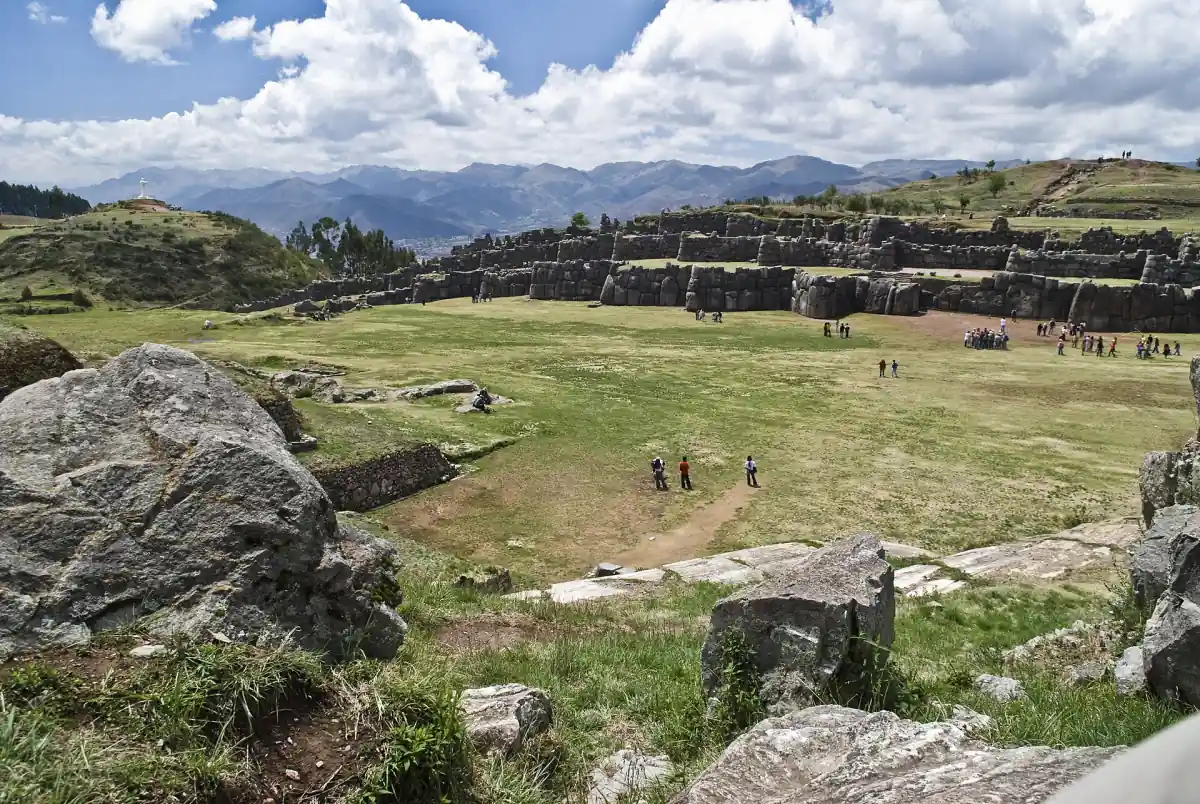
Drier and wetter months: what the old records mean
May to August suits a plan that places more weight on the historically lower-rainfall part of the year. December to March calls for a schedule that can adapt to wetter conditions. Neither description settles the weather on a particular date. Keep some flexibility around the outdoor visit rather than treating the season name as a promise.
The age and scope of the figures matter. These are city values delivered in 2001, not a recent climate normal for the walls themselves. They are useful for a broad seasonal comparison, while a current forecast answers a different question: what conditions to prepare for during your own visit. Use each for that purpose instead of turning historical averages into an exact daily itinerary.
Our pick: guided visit
This visit includes transport, a local guide and Qorikancha admission.
Hand-picked tours, booked through GetYourGuide. Prices are indicative starting prices in US dollars (as of November 2026). Tap a tour for live availability and the current price in your currency.
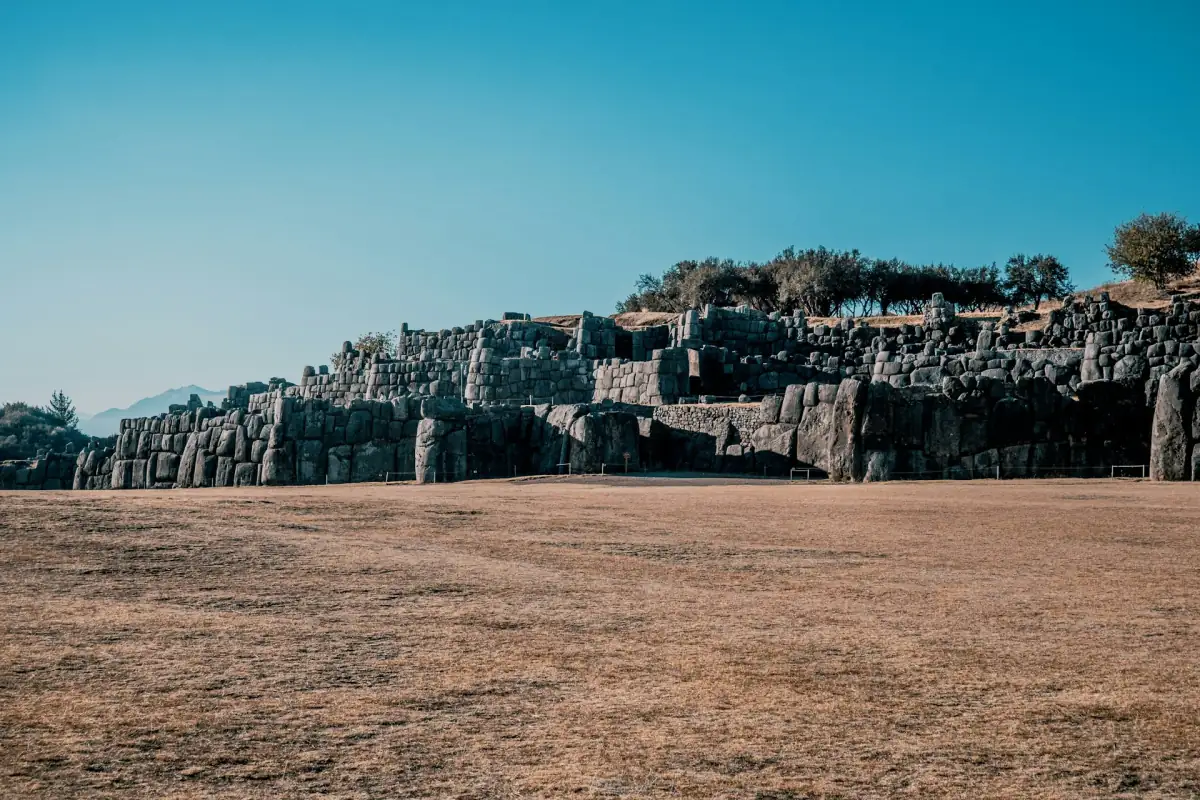
A ruin visit with transport and Qorikancha entry
This guided circuit starts at Qorikancha and combines its included temple admission with transport, a local guide and visits to the four ruins. Muña tea is included; the Boleto Turístico is extra.
Cold mornings and the altitude
The old city series also illustrates why layers matter: its cooler morning pattern remains relevant to general preparation even when the daytime visit looks bright in photographs. Choose clothing that lets you adjust during the outing, and allow pauses rather than filling every part of the day with walking. Sacsayhuamán's official site altitude is 3,700 m in the inventory dated 21 October 2025.
A vehicle can reduce the uphill journey from Cusco, but the ruins still involve a separate visit on foot. Make that distinction when deciding how much to fit into the day. The walking, taxi and arrival guide explains the approaches without turning a short distance on a map into a personal walking-time target.
Time of day and paths in rain
Plan an early enough arrival to leave room for the approach, entry and a considered walk through the complex. The useful choice is a schedule with time to spare, rather than an attempt to arrive at the last possible moment. Check current admission arrangements and allow separately for the neighbouring archaeological sites if they are part of your route.
In rain, choose footwear for walking and adjust the route and pace to the conditions you encounter. Follow the designated visitor areas and respect local instructions. The culture authority's undated visitor guidance says not to climb the walls; the masonry is not a shortcut or a place to sit while waiting for the weather to change. Seasonal rainfall patterns alone are insufficient grounds to declare the site closed.
24 June: a festival visit needs its own plan
Inti Raymi takes place on 24 June, with its main ceremony at Sacsayhuamán. Its staged revival dates from 1944. Choose that date because you want the event experience, with the relevant event ticket and access arrangements. The grandstand ticket is separate from the Boleto Turístico used for ordinary archaeological visits.
The Inti Raymi guide explains the event and the historical 2026 arrangements. A regular guided ruins circuit belongs in the plan for an ordinary sightseeing visit; its transport and guide services should be assessed on that basis. Keep festival attendance and a routine exploration of the walls as separate decisions.
Opening arrangements and the November notice
The culture authority's notice of 10 November 2026 suspends tourist visits to Sacsayhuamán on 15 November 2026. That dated notice applies to the stated day. For your own date, check the current entry arrangements rather than deriving a reopening promise or a recurring seasonal closure from it.
Buy the pass to fit your wider itinerary: Circuito I covers Sacsayhuamán and the three neighbouring ruins, while the Integral pass serves a broader list of places. Pass validity starts on the purchase day, so align the purchase with your planned visits. The Boleto and ticket guide explains the distinction.
A guided alternative to arranging each journey
The guided circuit presented here meets at Qorikancha and includes transport, a local guide, Qorikancha temple entry and Muña tea. It visits Sacsayhuamán, Q’enqo, Puka Pukara and Tambomachay, with the Boleto extra. This can suit a plan where you want transport between sites organised together. Choose the date for the visit itself and use the same weather preparation you would for an independent outing.
Questions about seasons and timing
Which months have the drier historical pattern?
May to August is drier than December to March in the old WMO/SENAMHI Cuzco city dataset delivered on 24 August 2001. Its reference period is unspecified, and it is a historical guide rather than a forecast.
Does rain mean the ruins close for the season?
Use the current operating notice for your date and follow instructions at the site. A wetter seasonal pattern is a reason to adapt clothing, pace and plans, rather than a closure calendar.
Is Inti Raymi included in a normal ruins visit?
The celebration on 24 June has separate event arrangements and paid grandstand tickets. Plan an ordinary archaeological visit with the Boleto and choose a festival visit using the event's own ticket conditions.